compliance ·
Thailand Cannabis Business Compliance Checklist (2026)
A complete 2026 compliance checklist for Thai cannabis businesses: licensing, practitioner, facility, sourcing, records, and prescription rules.
Last updated: July 2026
Licensing, regulations, and real costs for dispensaries, farms, clinics, and manufacturers — updated for 2026
Every cannabis business in Thailand now requires an FDA license, a certified medical practitioner on-site, and full compliance with Ministry of Public Health rules. Cannabis became medical-only on 26 June 2025, and a January 2026 update added the on-site practitioner mandate. Together, these rules have reshaped the industry. Of the 18,000+ shops that opened during the initial boom, 7,297 have closed under stricter enforcement. Roughly half of the ~12,000 licenses currently valid are reported to expire during 2026 (Bangkok Post; unverified). The Cannabis & Hemp Act remains pending in parliament, which means regulations could tighten further. For operators willing to meet the standards, consolidation has reduced competition and created room in a smaller, more regulated market. Three core commercial license types cover the value chain — dispensary, farm, and manufacturer — with clinic licensing handled separately under medical-facility rules.
The licensing path from company formation to first day of operations:
Thailand's three core commercial license types are dispensary (retail sales), farm (cultivation under GACP standards), and manufacturer (extraction, edibles, oils); medical-clinic licensing runs separately under healthcare-facility rules. Each has its own capital, staffing, and premises requirements.
Set up a Thai limited company with at least 51% Thai shareholders. The Foreign Business Act caps foreign ownership at 49%. Nominee arrangements carry criminal penalties — up to 3 years in prison and fines to THB 1,000,000.
Locations must pass hygiene, security, and zoning inspections. Dispensaries must sit outside buffer zones around schools and temples. Farms need GACP-compliant growing areas with seed-to-sale tracking infrastructure.
Submit the application and supporting documents to the FDA (อย.). Processing runs 2-3 months through the central FDA office in Bangkok, or 4-5 months through a provincial health office.
Employ a cannabis-certified pharmacist or Thai traditional medicine practitioner. Register your business in the FDA seed-to-sale digital tracking system before opening.
Realistic cost ranges for launching a cannabis business in Thailand, based on 2026 figures:
| Item | Cost | Notes |
|---|---|---|
| Company Registration | THB 15,000-30,000 | Thai limited company incorporation plus legal fees |
| License Fee (disputed) | ~THB 1,500-50,000 | Commonly cited: dispensary ~5,000 / farm ~50,000 / manufacturer ~10,000, but the statutory Herbal Products Act schedule lists 1,500/5,000/20,000/2,500 — verify with DTAM/Thai FDA |
| Premises Setup | THB 200,000-2,000,000 | Lease deposit, renovation, equipment, security, GACP compliance |
| Practitioner Salary | THB 25,000-60,000/month | Cannabis-certified pharmacist or traditional medicine practitioner |
| Estimated Total | THB 500,000-3,000,000 | Depends on license type, location, and scale |
These are 2026 estimates. Actual costs depend on your location, business type, and the scope of buildout required.
What foreign nationals must know before investing in a Thai cannabis business:
The Foreign Business Act limits combined foreign shareholding to 49% of registered capital for most cannabis license categories. One key exception is stricter, not looser: under the 2026 extract regulation, medical-purpose extract production licenses are reserved for Thai juristic persons that are not foreign businesses at all — a complete exclusion of foreign ownership, not a 49% cap.
Having Thai nationals hold shares on a foreigner's behalf is a criminal offense. Both parties face up to 3 years in prison and fines up to THB 1,000,000. Enforcement has increased since 2025.
The Board of Investment may grant promotional privileges for certain cannabis activities, which can include permission for foreign ownership above 49%. Approval is case-by-case and not guaranteed.
The 51% Thai shareholding must belong to real investors who participate in the business. Passive or paper-only shareholders trigger the same penalties as formal nominees.
Foreign directors need a Non-Immigrant B Visa and a Work Permit before they can perform any duties in Thailand. This applies to both executive and day-to-day operational roles.
Expected processing times depend on where you file:
2-3 months
Filed at the central FDA office. Typically faster for Bangkok-based businesses and larger operations with complete documentation.
4-5 months
Required for businesses outside Bangkok. The provincial office reviews your application first, then forwards it to the FDA for final approval.
What slows things down: incomplete paperwork, failed premises inspections, or high application volume at the FDA. Have your documents reviewed by a licensing consultant before filing.
The FDA issues several categories of cannabis business license. These three cover the majority of commercial operations:
Sell cannabis products to consumers. Since January 2026, dispensaries must have medical supervision and a certified practitioner on-site during all operating hours. Published fee schedules conflict — confirm with DTAM/Thai FDA.
~THB 5,000 (cited; verify)
→Grow cannabis commercially. Farms must meet GACP (Good Agricultural and Collection Practices) standards and operate within the FDA seed-to-sale tracking system. Published fee schedules conflict — confirm before budgeting.
~THB 50,000 (cited; verify)
→Produce oils, extracts, edibles, and other processed cannabis products. Facilities must hold GMP certification and maintain documented quality control procedures. Published fee schedules conflict — confirm before budgeting.
~THB 10,000 (cited; verify)
→Non-negotiable compliance requirements for all cannabis businesses in Thailand:
The Foreign Business Act bars foreign nationals from holding more than 49% of most cannabis businesses — and medical-purpose extract production licenses exclude foreign ownership entirely. Nominee arrangements are a criminal offense with prison time and fines.
Since January 2026, dispensaries must have a pharmacist, physician, or certified Thai traditional medicine practitioner present throughout operating hours. This rule drove many of the 7,297 shop closures.
All businesses must register with the FDA digital tracking system. Every transaction, transfer, and PT 33 prescription verification must be logged in real time.
Retail locations must meet distance requirements from schools and temples, maintain secure storage, and pass local zoning inspections before the FDA will issue a license.
Detailed articles on licensing requirements, compliance, and running a cannabis operation in Thailand:
A complete 2026 compliance checklist for Thai cannabis businesses: licensing, practitioner, facility, sourcing, records, and prescription rules.
Only 15.5% of expired Thai cannabis licenses renewed in 2025. The real denial reasons and a checklist to pass your 2026 renewal.
Thailand requires a certified practitioner on-site during all cannabis operating hours. Who qualifies, the hours rule, and the penalties for gaps.
Thailand's April 2026 mandate turns cannabis shops into medical clinics. Requirements, costs, and the 3-year clock to convert or close.
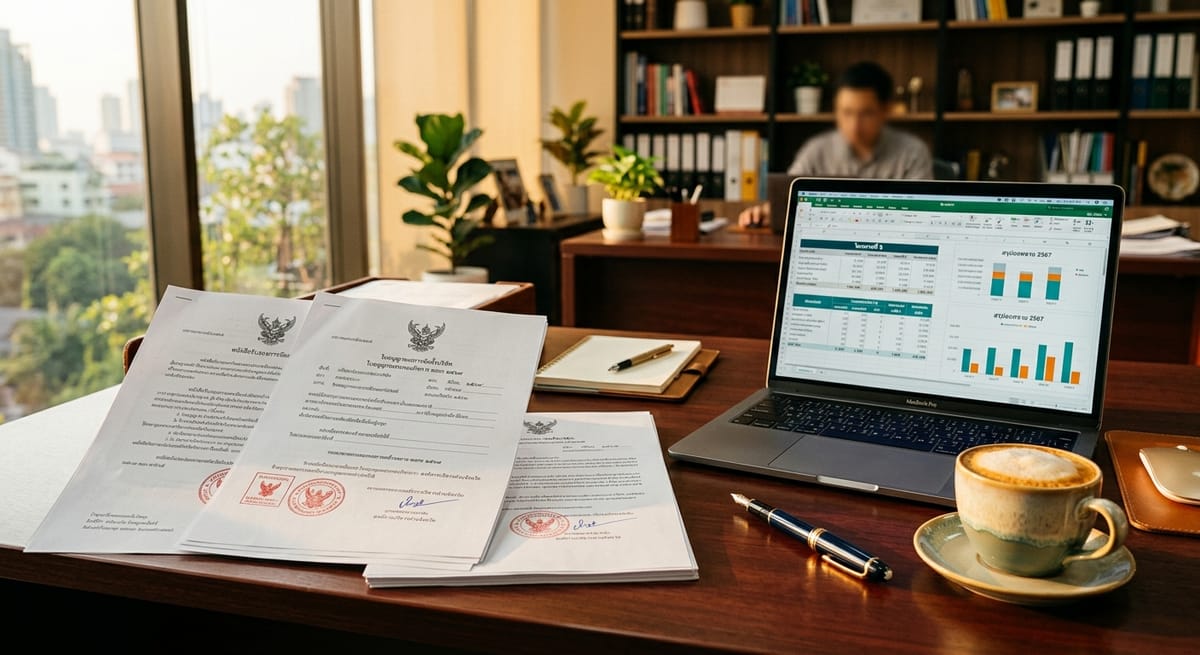
Apply for a cannabis license in Thailand under April 2026 rules: 3 license types, commonly cited fees from 5,000 THB, plus the four flower criteria.
Yes. Foreign investors can hold up to 49% of a Thai cannabis company. The remaining 51% must belong to genuine Thai shareholders. Nominee arrangements are illegal and carry criminal penalties, including up to 3 years in prison.
License fees are commonly cited at ~THB 5,000 for a dispensary up to ~THB 50,000 for cultivation, but published schedules conflict with the statutory Herbal Products Act fee annex (1,500/5,000/20,000/2,500 THB) — verify with DTAM/Thai FDA before budgeting. Either way, the license fee is the smallest expense. Total startup costs, including premises, equipment, and staffing, run THB 500,000 to THB 3,000,000.
Two to three months if you apply directly through the FDA in Bangkok. Four to five months through a provincial health office. Incomplete paperwork or failed premises inspections add weeks to either route.
Three core commercial types: dispensary (retail sales to consumers), farm (cultivation under GACP standards), and manufacturer (oils, extracts, edibles). Each requires a separate FDA license. Medical cannabis clinics are licensed separately under healthcare-facility rules.
Yes. At least 51% of your company's shares must be held by Thai nationals who are genuine, active participants in the business. Using nominee shareholders is a criminal offense under Thai law.
Selling cannabis without a prescription or licence carries up to 1 year imprisonment and/or a fine up to THB 20,000 under the Traditional Medicine Act B.E. 2542, plus administrative penalties including licence suspension and business closure. Authorities can seize cannabis products and equipment. Enforcement has increased sharply since the January 2026 dispensary rules took effect.
We connect entrepreneurs with licensing consultants and legal specialists who work exclusively in Thai cannabis regulation. New ventures and existing operations alike benefit from expert advice before filing.
Other resources for cannabis business operators in Thailand:

Current regulations, penalties, and the pending Cannabis & Hemp Act
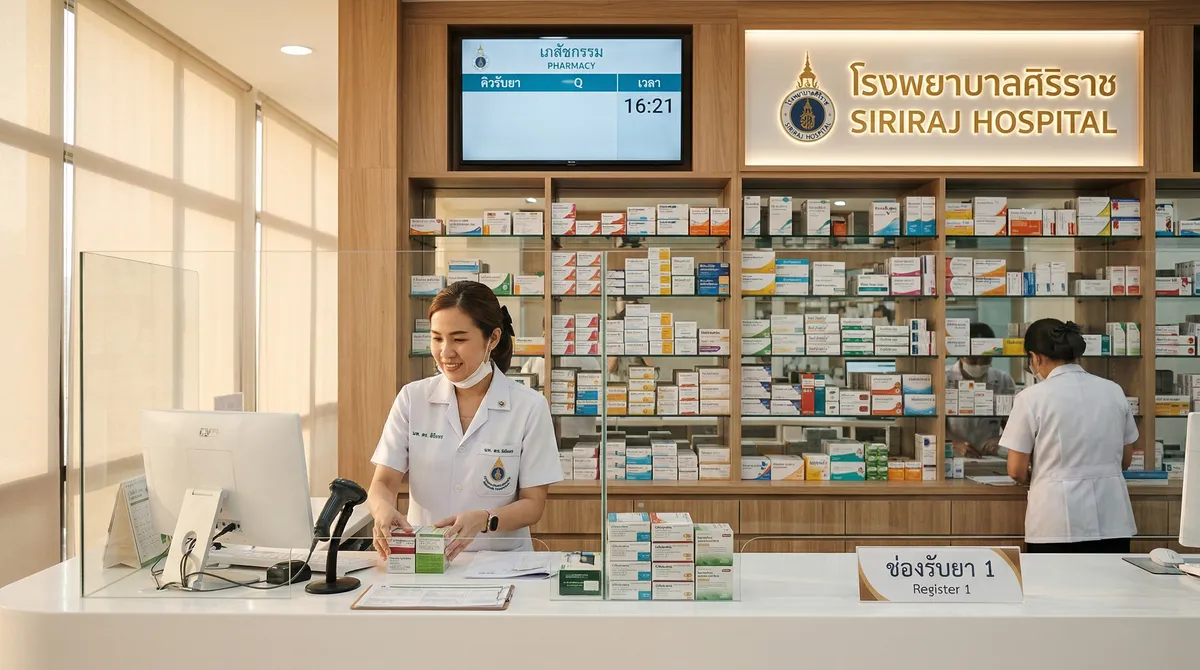
Patient access, practitioner requirements, and clinic rules

License types, fees, and how to apply in 2026
Verified medical cannabis clinics across Thailand
Cultivation licensing, GACP certification, and startup costs
How the mandatory prescription tracking system works
Last updated: July 2026. Verified against primary government sources (Royal Gazette, Thai FDA, DTAM). Our editorial standards