Cannabis for Anxiety and PTSD in Thailand: Medical Guide
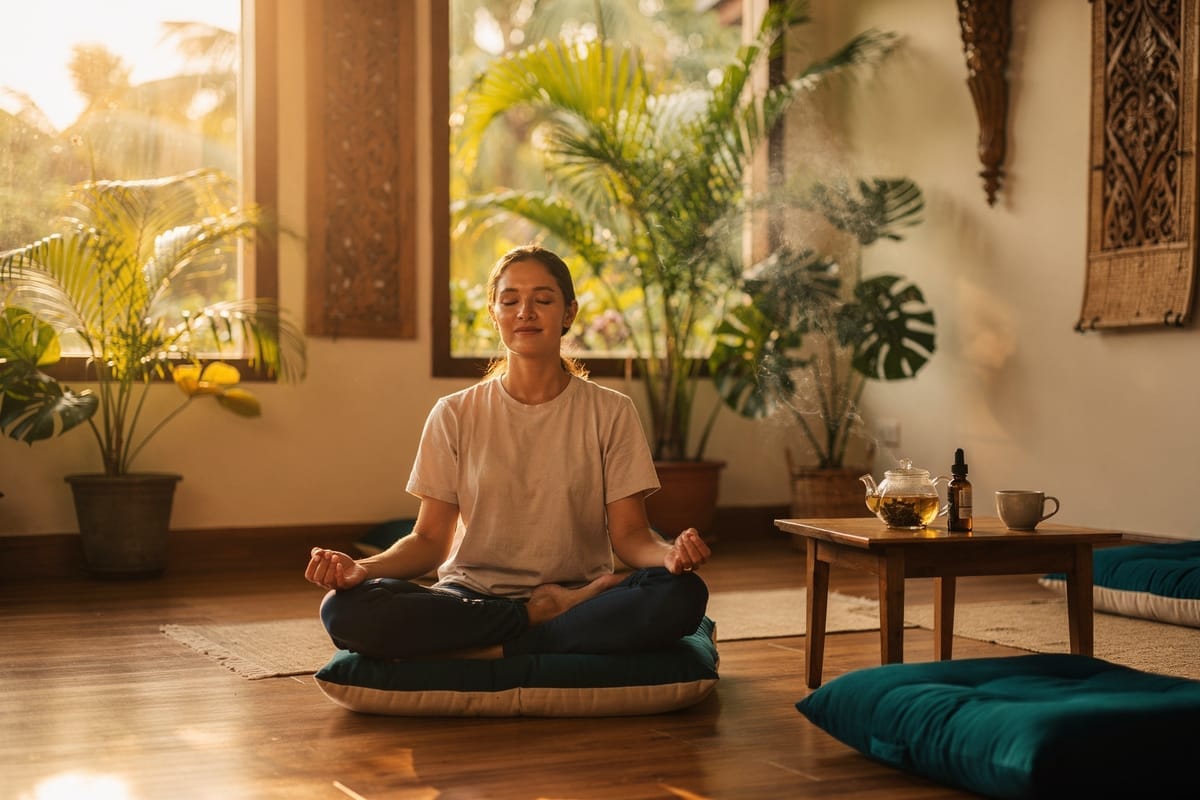
How medical cannabis can help with anxiety and PTSD in Thailand. CBD vs THC for anxiety, treatment approaches, PT 33 access, dosage guidance, and safety.
Last updated: July 2026
How to get a cannabis prescription in Thailand: the PT 33 form, qualifying conditions, licensed clinics, real costs, penalties, and every rule change since June 2025
11,136
Licensed dispensaries still open
7
Practitioner types can prescribe
30 days
Prescription validity
30g/mo
Maximum possession limit
On 26 June 2025, the Ministry of Public Health Notification on Controlled Herbs (Cannabis) B.E. 2568 took effect. Cannabis flower is now classified as a "controlled herb." Every purchase, sale, and possession of cannabis flower requires a PT 33 (ปท. 33) prescription issued by one of seven licensed practitioner types. Recreational cannabis use is illegal in Thailand. Since January 2026, all dispensaries must also have a certified medical practitioner on-site during operating hours.
Source: Royal Gazette, 26 June 2025
Medical cannabis in Thailand is legal but strictly prescription-only. Any product above 0.2% THC requires a PT 33 (ปท. 33) prescription from a licensed practitioner. Here is how to get a cannabis prescription in Thailand: visit a licensed cannabis clinic, complete a medical evaluation (300–1,500 THB depending on the clinic), and receive your PT 33 form if approved. You then take that form to a licensed dispensary to buy your medicine in person. The entire process usually takes one visit. Thai nationals, residents with a 13-digit ID, and tourists with a passport are all eligible. You must be at least 20 years old. Foreign prescriptions are not valid here.
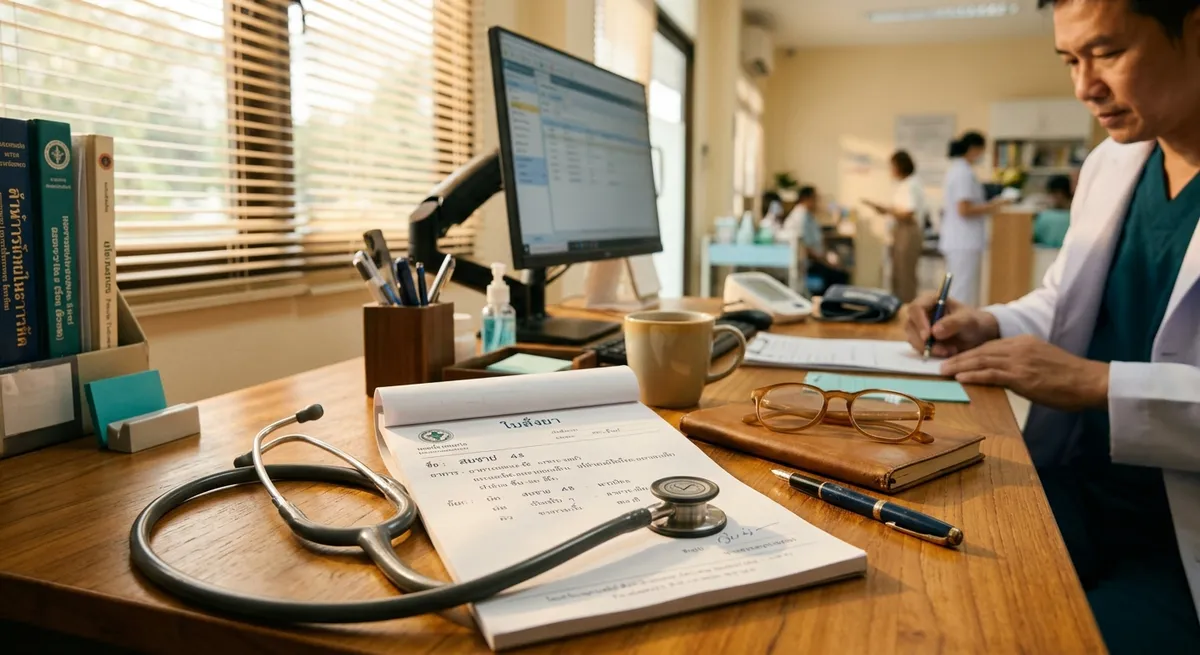
The PT 33 form (Thai: ปท. 33, formally "Por Tor 33") is Thailand's mandatory prescription document for any cannabis product containing more than 0.2% THC. It has been required by law since 26 June 2025. The form is administered by the Department of Thai Traditional and Alternative Medicine (DTAM) under the Ministry of Public Health. Read our complete PT 33 prescription guide for the full step-by-step walkthrough, including what to bring and what to expect.
The PT 33 is a paper form that specifies the exact product, strain, dosage, and treatment duration. Licensed outlets report their dispensing to DTAM through monthly Phor.Tor.27/28/29 reports. Each form is valid for a maximum of 30 days and cannot be refilled. When it expires, you need a new consultation. The maximum possession allowed under a single prescription is 30 grams per month. All cannabis must be consumed in private settings. See our cannabis law guide for the full rules on use, transport, and storage.
Pick a cannabis clinic licensed by the Ministry of Public Health. Government clinics charge 300–500 THB; private clinics 800–1,500 THB. Walk-ins are accepted, but booking saves time.
A licensed practitioner reviews your medical history, current symptoms, and treatment goals. Bring your Thai ID card or passport. The evaluation typically takes 15–30 minutes.
If the practitioner approves cannabis treatment, they issue a PT 33 prescription — a paper form specifying product type, dosage, and treatment duration. The form is valid for 30 days.
Present your PT 33 at any licensed dispensary. Each purchase is recorded directly on the form until your 30g monthly limit is reached. Online cannabis purchases are prohibited.
Seven categories of licensed practitioners can issue PT 33 prescriptions. Each must complete DTAM-certified cannabis training before they are authorized to prescribe. For most patients seeking treatment for pain or insomnia, a Thai Traditional Medicine practitioner offers the broadest qualifying conditions:
Western-trained physicians. Typically prescribe for a narrow evidence-based set of indications under Medical Council guidelines. Found at hospitals and private clinics.
Modern MedicineTTM practitioners who can prescribe for broader symptom categories. The most common path for chronic pain, insomnia, and anxiety patients.
TTMPractitioners combining traditional Thai and modern approaches. Same broader scope as TTM.
Applied TTMCan prescribe cannabis for oral pain, TMJ disorders, and maxillofacial conditions only.
DentistryCertified pharmacists at licensed dispensaries. Can prescribe and provide dosing guidance directly.
PharmacyLicensed TCM doctors. Less common but available in Bangkok and Chiang Mai.
TCMRegistered folk medicine practitioners with government certification. Found mainly in rural provinces.
Folk MedicineThailand runs a dual-track system. The June 2025 regulation removed the original 15 conditions from the PT 33 form itself. Now each professional council publishes its own clinical guidelines. In practice, this means the type of practitioner you see determines which conditions qualify:
Medical Council of Thailand clinical practice guidelines. There is no fixed statutory condition list — each professional council sets its own guidance.
Epilepsy that has not responded to conventional drugs. CBD-dominant formulas are the standard. This is the most research-backed cannabis indication worldwide.
Nausea and vomiting caused by cancer chemotherapy. Also used in palliative care when other anti-emetics fail.
Chronic nerve pain including diabetic neuropathy, post-surgical nerve damage, and fibromyalgia that has not responded to first-line painkillers.
Involuntary muscle tightness from multiple sclerosis, spinal cord injuries, or stroke. THC:CBD combinations are typical.
Thai Traditional Medicine Council guidelines. Broader qualifying criteria than Western medicine.
Back pain, joint pain, muscle pain, and cramps. The most common reason patients seek cannabis for pain in Thailand.
Chronic difficulty falling or staying asleep. Cannabis for insomnia in Thailand is typically prescribed as a sublingual oil taken before bed.
Cachexia from cancer or chronic illness, severe weight loss, and persistent lack of appetite.
Nausea from multiple causes beyond chemotherapy, including medication side effects and chronic GI conditions.
Chronic migraines and severe recurring headaches that have not responded to standard preventive drugs.
Tremor, rigidity, sleep disturbance, and non-motor symptoms. Used as adjunct therapy, not a replacement for dopamine medication.
Generalized anxiety and chronic stress. CBD-dominant products are usually prescribed. High-THC products may worsen anxiety in some patients.
Muscle spasms, involuntary twitching, and cramps from neurological or musculoskeletal conditions.
Practitioners in all seven categories retain clinical discretion to prescribe for conditions outside these lists based on individual patient assessment.
Thailand does not restrict medical cannabis to citizens. Anyone who meets the medical criteria and age requirement (20+) can receive a PT 33 prescription:
Full access with national ID card. Government clinics charge 300–500 THB for consultation. Some public hospitals provide cannabis medicine free of charge for eligible patients.
Identical access to Thai nationals. Use the 13-digit ID number from your work permit or long-term visa. Both government and private clinics are available to you.
Can get a prescription using a passport at most private clinics. Consultation fees may be higher (800–1,500 THB). You cannot take any cannabis product out of Thailand. This is a criminal offense.
Foreign medical marijuana cards, prescriptions from other countries, and cannabis certifications from abroad have zero legal standing in Thailand. You must get a new PT 33 prescription from a Thai-licensed practitioner.
With a valid PT 33 prescription, you can purchase the following product types at any of Thailand's 11,136 licensed dispensaries. All transactions must happen in person. Online cannabis sales are prohibited by law:
Placed under the tongue for absorption. Available in various CBD:THC ratios. The most commonly prescribed format and the easiest for new patients to dose accurately. Prices: 800–2,500 THB per 30ml bottle.
For smoking or vaporizing. Always requires a PT 33. Sold by the gram (300–800 THB/g). Quality and potency vary by strain and grower.
Pre-measured doses in capsule form. Good for patients who want consistent daily dosing without taste. 500–1,500 THB for 30 capsules.
Creams and balms applied to the skin for localized pain relief. Do not produce psychoactive effects. Popular for joint and muscle pain.
Sprayed under the tongue for fast absorption. Effects typically felt within 15–30 minutes. Good for breakthrough pain or acute nausea.
Medical cannabis under proper supervision has a well-established safety profile. That said, side effects are real and dose-dependent. Start low, go slow, and report any issues to your prescribing practitioner:
Dry mouth, mild dizziness, drowsiness, red eyes, increased appetite. These affect most new users and usually fade within the first week of regular use.
Anxiety, paranoia, nausea, rapid heartbeat, short-term memory gaps. Almost always linked to THC doses that are too high. Lowering the dose or switching to a higher CBD ratio resolves most cases.
Cannabis affects how your liver processes certain drugs. Tell your doctor if you take blood thinners (warfarin), immunosuppressants, benzodiazepines, opioids, or antiepileptic drugs. Dosage adjustments may be needed.
Do not drive or operate machinery after use. Not recommended during pregnancy or breastfeeding. Patients with a history of psychosis or schizophrenia need specialist evaluation first. Minimum age: 20 years.
This page is for informational purposes only and does not replace professional medical advice. Talk to your prescribing practitioner about your specific health situation.
Real prices we track across government and private cannabis clinics in Thailand. Government clinics are cheaper but have longer waits and limited English. Private clinics cost more but offer faster service and multilingual staff:
| Item | Price | Notes |
|---|---|---|
| Consultation (Government Clinic) | 300–500 ฿ | Cheapest option. Expect Thai-language service and 1–2 hour waits. |
| Consultation (Private Clinic) | 800–1,500 ฿ | English-speaking doctors available. 15–30 minute waits typical. |
| Consultation (Premium/Tourist Clinic) | 1,500–2,000 ฿ | Priority service, full assessment, multilingual staff. |
| Prescription Renewal | 350–500 ฿ | Required every 30 days. New consultation each time. |
| CBD/THC Oil (30ml bottle) | 800–2,500 ฿ | Price depends on THC:CBD ratio and concentration. |
| Dried Flower (per gram) | 300–800 ฿ | Varies by strain, grower, and potency. |
| Capsules (30 count) | 500–1,500 ฿ | Standardized doses. Higher-concentration capsules cost more. |
Some government hospitals provide medical cannabis at no charge to eligible Thai patients with a valid prescription. Ask the clinic directly about subsidized programs.
Since June 2025, possessing or using cannabis without a valid PT 33 prescription is a criminal offense. Enforcement has increased steadily. These are the current penalties:
Possessing cannabis flower without a PT 33
Commonly reported as a fine up to 25,000 THB and/or up to 3 months imprisonment — verify with authorities
Selling cannabis without a prescription or licence
Up to 1 year imprisonment and/or a fine up to 20,000 THB under the Traditional Medicine Act B.E. 2542 (the and/or wording is unconfirmed against the Thai text)
Using cannabis in any public place
Fine under the Public Health Act (even with a valid prescription)
Taking cannabis out of Thailand
Criminal prosecution, deportation, permanent entry ban
Advertising or selling cannabis online
Fine plus potential license revocation for businesses
Foreign nationals convicted of cannabis offenses face deportation and a permanent ban on re-entering Thailand. We have seen this enforced at airports and border crossings.
Not everything requires a PT 33. CBD products that contain less than 0.2% THC are freely available at pharmacies, health stores, and retail shops across Thailand without any prescription. This includes CBD oils, capsules, topicals, and edibles. The 0.2% THC threshold is the legal dividing line: below it, you can buy over the counter; above it, you need a PT 33. See our CBD oil Thailand guide for product comparisons, dosage advice, and where to buy.
Complete CBD oil guide →Thailand had 18,433 cannabis shops before the June 2025 regulation took effect. As of early 2026, 7,297 have closed after failing to meet the stricter licensing requirements. That leaves 11,136 licensed dispensaries still operating across the country. The closures hit hardest in tourist areas where shops were selling recreationally. Since January 2026, every remaining dispensary must have a certified medical practitioner on-site during all operating hours. We verify every clinic in our directory against the government's active license database.
18,433
Original total
7,297
Shut down
11,136
Still operating
Data as of February 2026
We track licensed cannabis clinics across Thailand. Each listing is verified against the government license database. Browse the directory to find a cannabis doctor near you:
Condition-specific guides written from Thai clinical practice guidelines and verified research:
How medical cannabis can help with anxiety and PTSD in Thailand. CBD vs THC for anxiety, treatment approaches, PT 33 access, dosage guidance, and safety.
How medical cannabis stimulates appetite in Thailand. Guide for cancer, HIV, and chronic illness patients seeking PT 33 access.
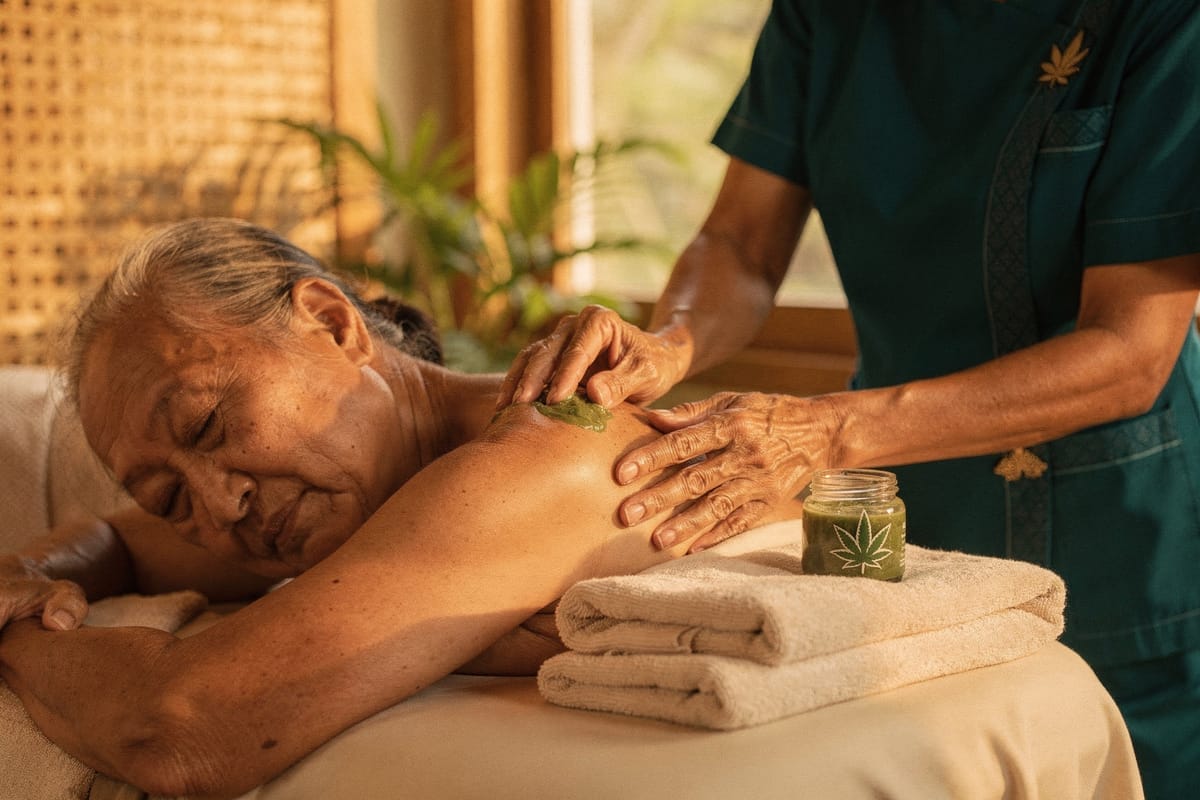
How medical cannabis treats chronic pain in Thailand. THC vs CBD for pain, product types, dosage, and practical advice.
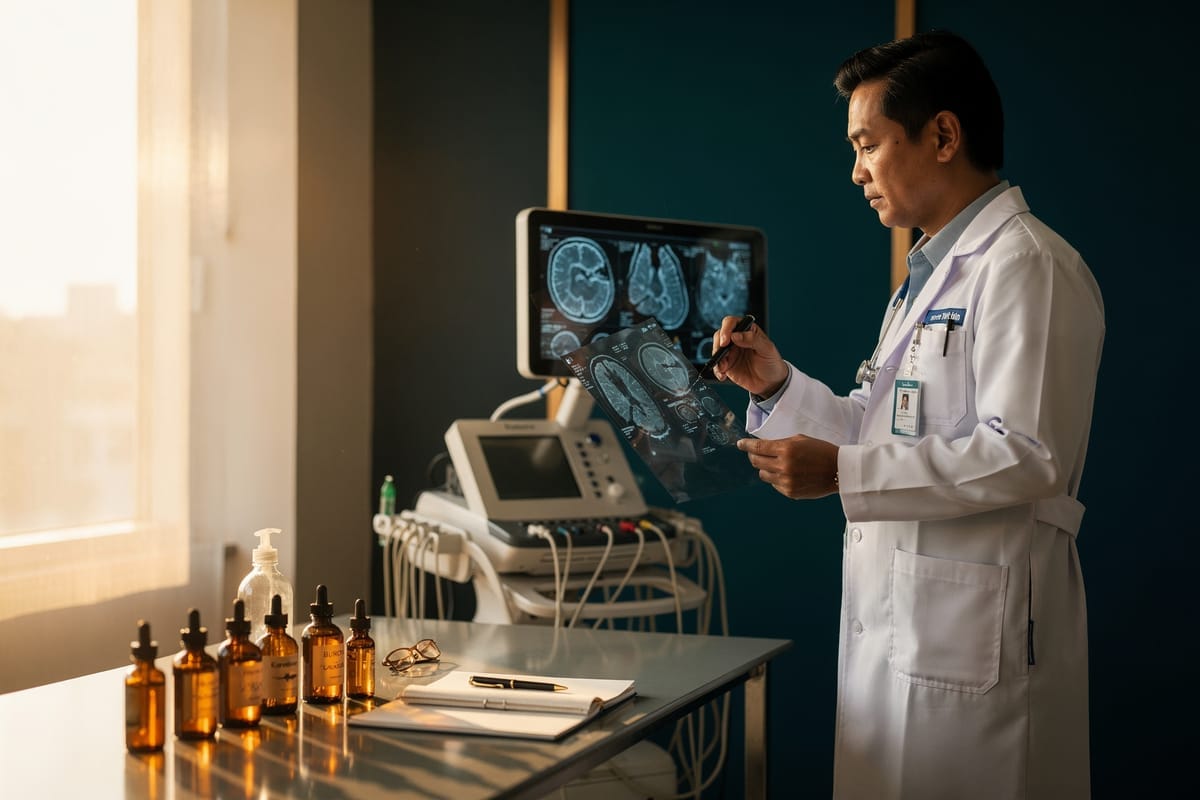
How medical cannabis treats epilepsy and seizure disorders in Thailand. CBD for seizures, PT 33 prescription access, dosage, drug interactions, and safety.
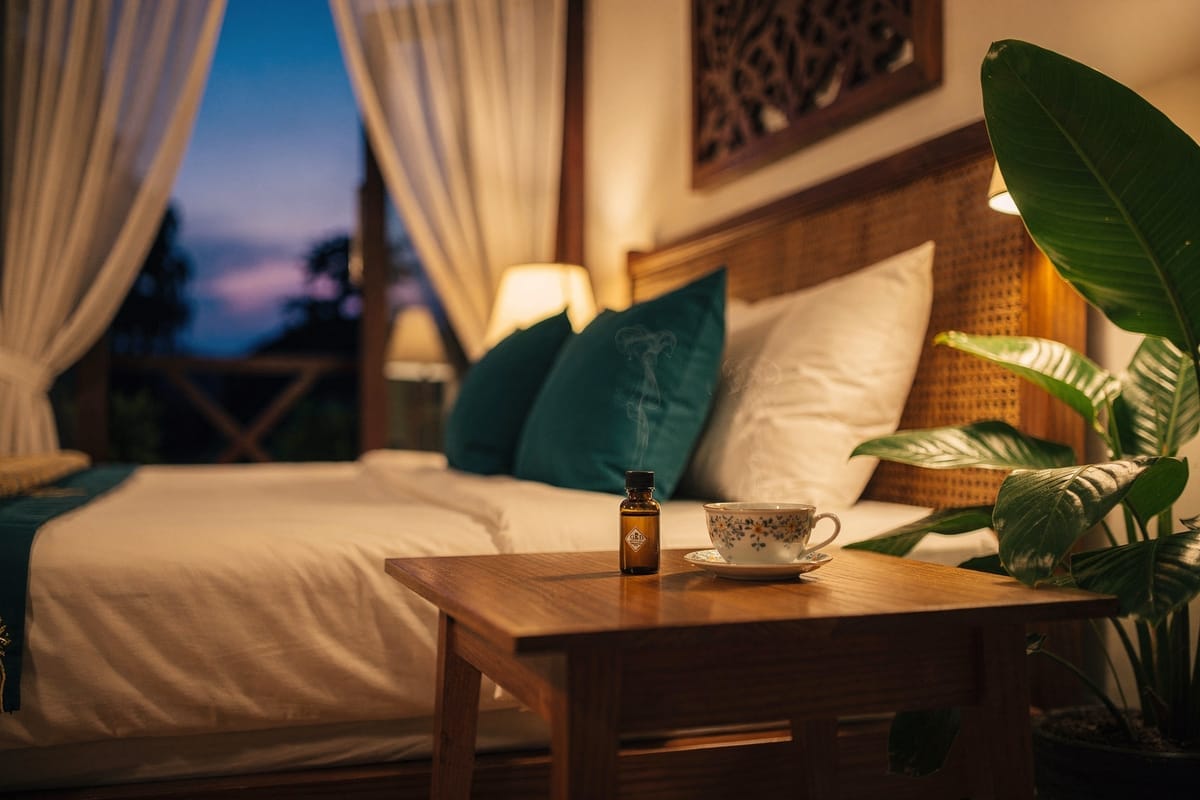
How medical cannabis helps insomnia in Thailand. Covers indica strains, CBD oils, dosage guidance, Thai research, and practical tips for better sleep.
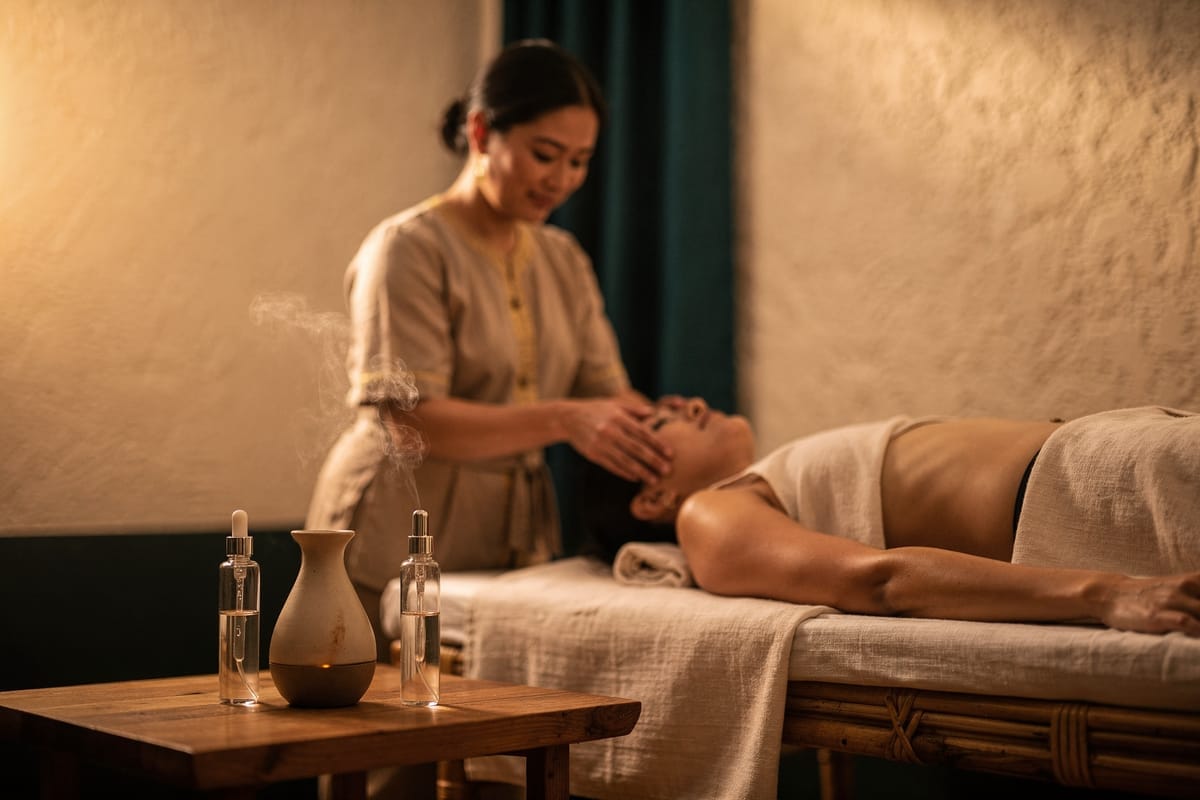
How medical cannabis may help manage migraines in Thailand. PT 33 prescription process, products, and what research says.
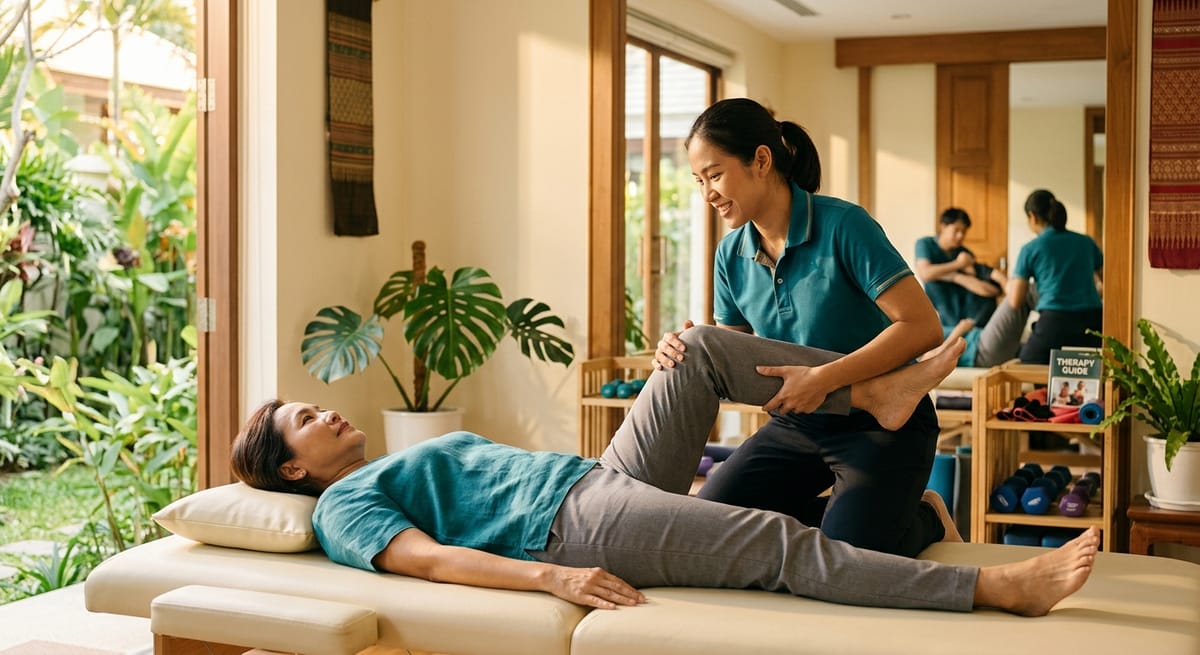
How medical cannabis helps manage MS symptoms and muscle spasticity in Thailand. THC:CBD ratios, PT 33 access, product types, dosage, and safety.
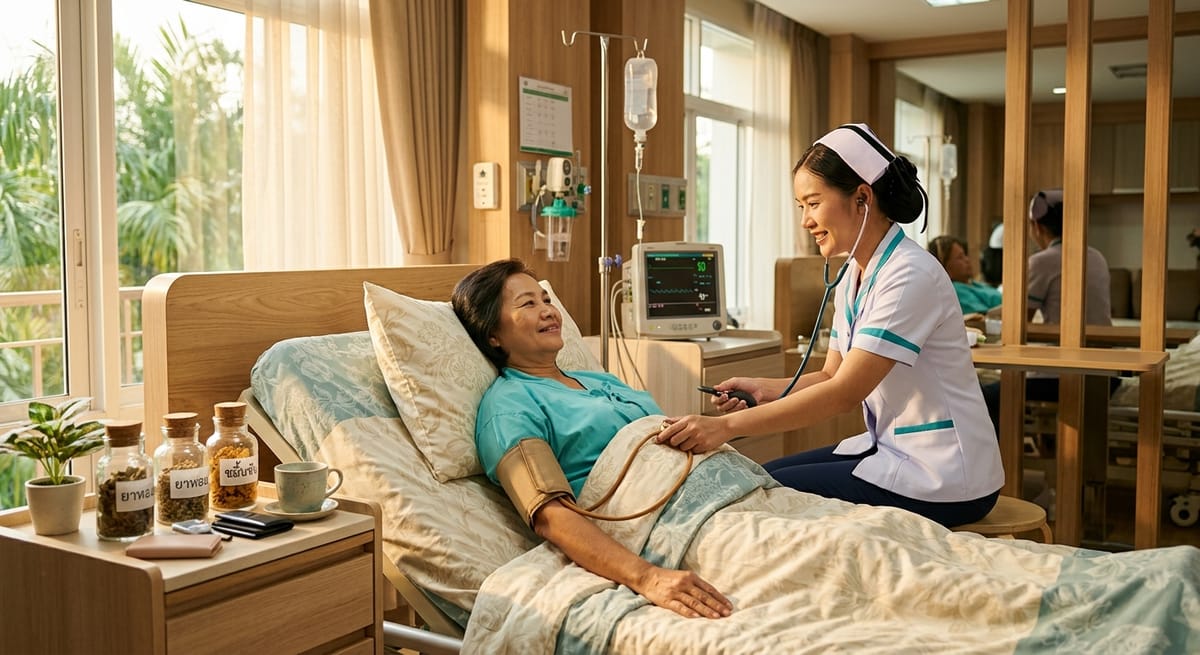
How medical cannabis helps with chemotherapy-induced nausea, cancer-related symptoms, and palliative care in Thailand. PT 33 access, products, and dosage.
Medical cannabis for Parkinson's symptoms in Thailand. What research shows, PT 33 access, available treatments.
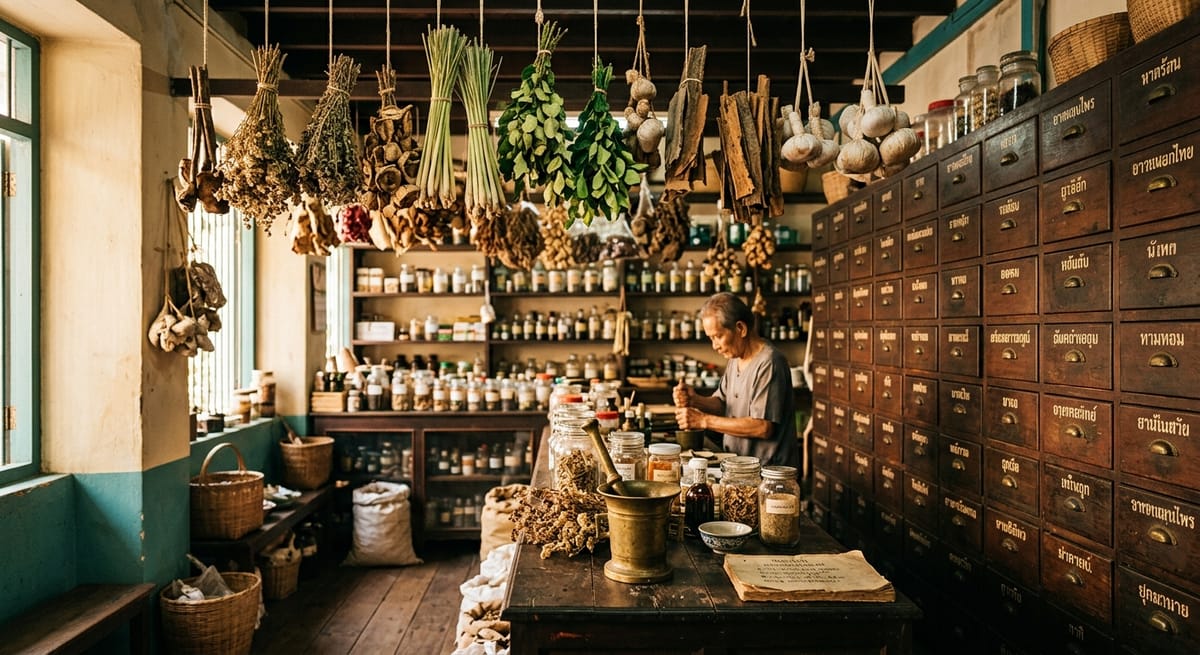
Cannabis has been part of Thai medicine for centuries. How TTM practitioners prescribe cannabis today and the history behind it.
The staffing, facility, records and licence requirements a cannabis clinic in Thailand must meet under Ministerial Regulation No. 2 B.E. 2569.
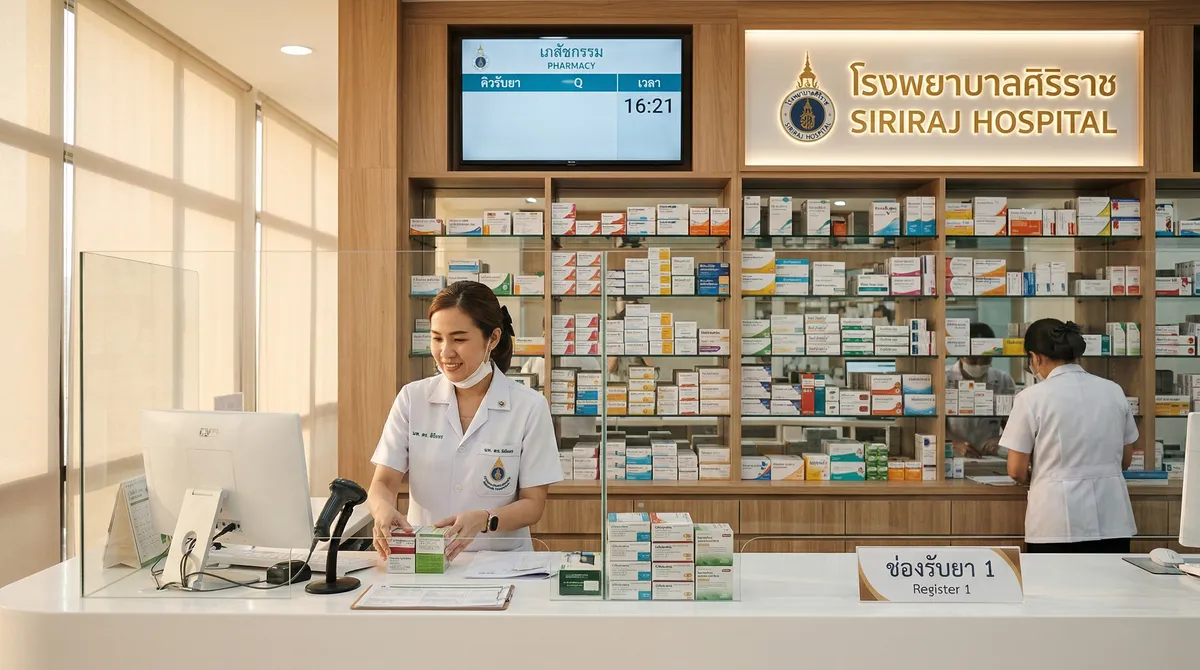
Where to buy medical-grade cannabis in Bangkok: licensed clinics by district, GACP-certified flower, consultation 300-1,500 THB. Updated July 2026.
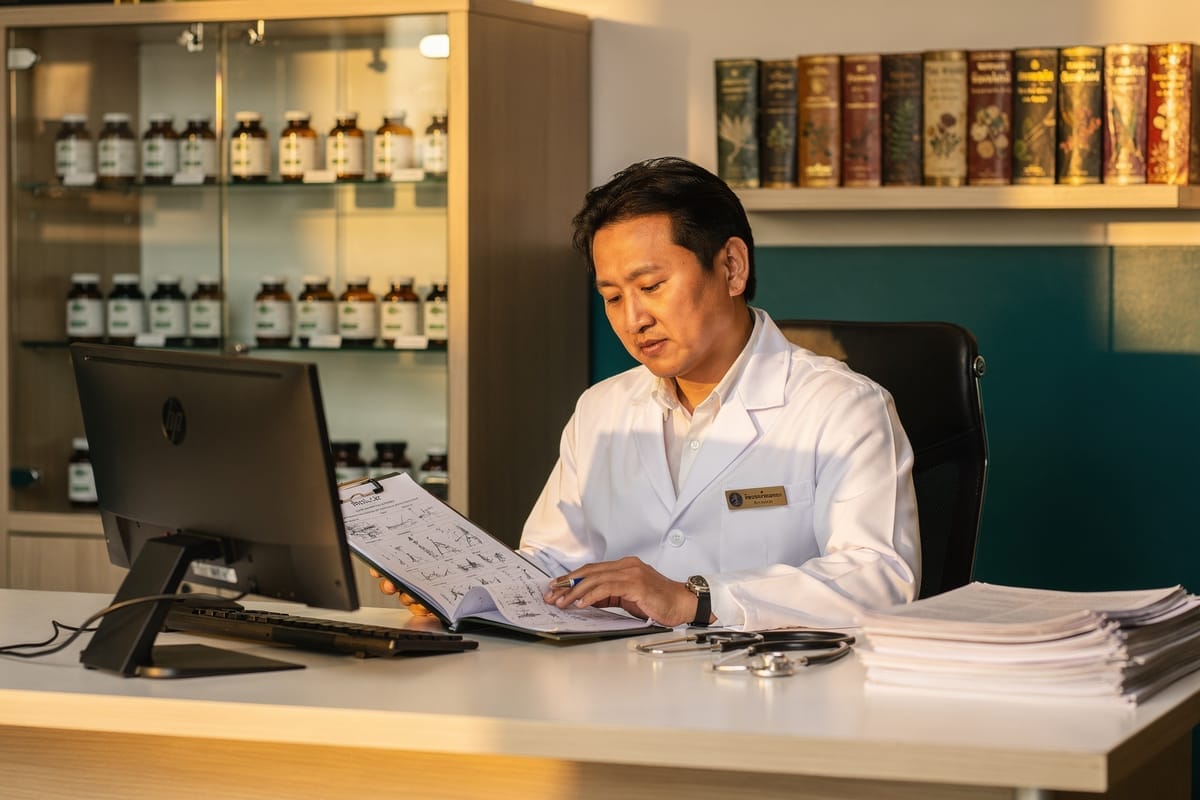
Chronic pain, insomnia, anxiety — 12+ conditions that qualify for a PT 33 prescription in Thailand. No fixed list; practitioners decide. Updated July 2026.
How Thailand's FDA regulates cannabis and CBD: the 0.2% THC line, labeling, licensing, and which agency oversees what in 2026.
Seven categories of DTAM-certified practitioners can legally prescribe cannabis and issue the PT 33 form in Thailand. Here is the full list.
Related articles from our blog:
Yes, but only from a licensed outlet with a PT 33 prescription from a Thai doctor. Thailand's 2026 medical-only cannabis rules for tourists, explained.
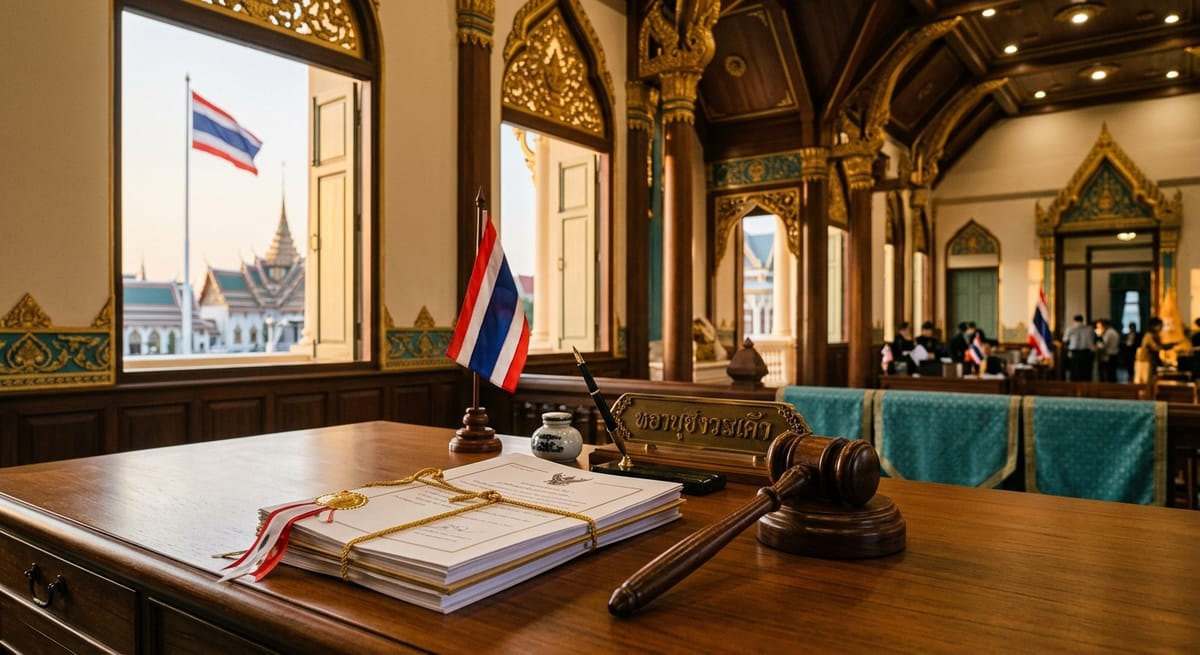
Every Thai cannabis rule change from the 2022 delisting to the April 2026 ministerial regulations, plus penalties, licensing and the pending Hemp Act.
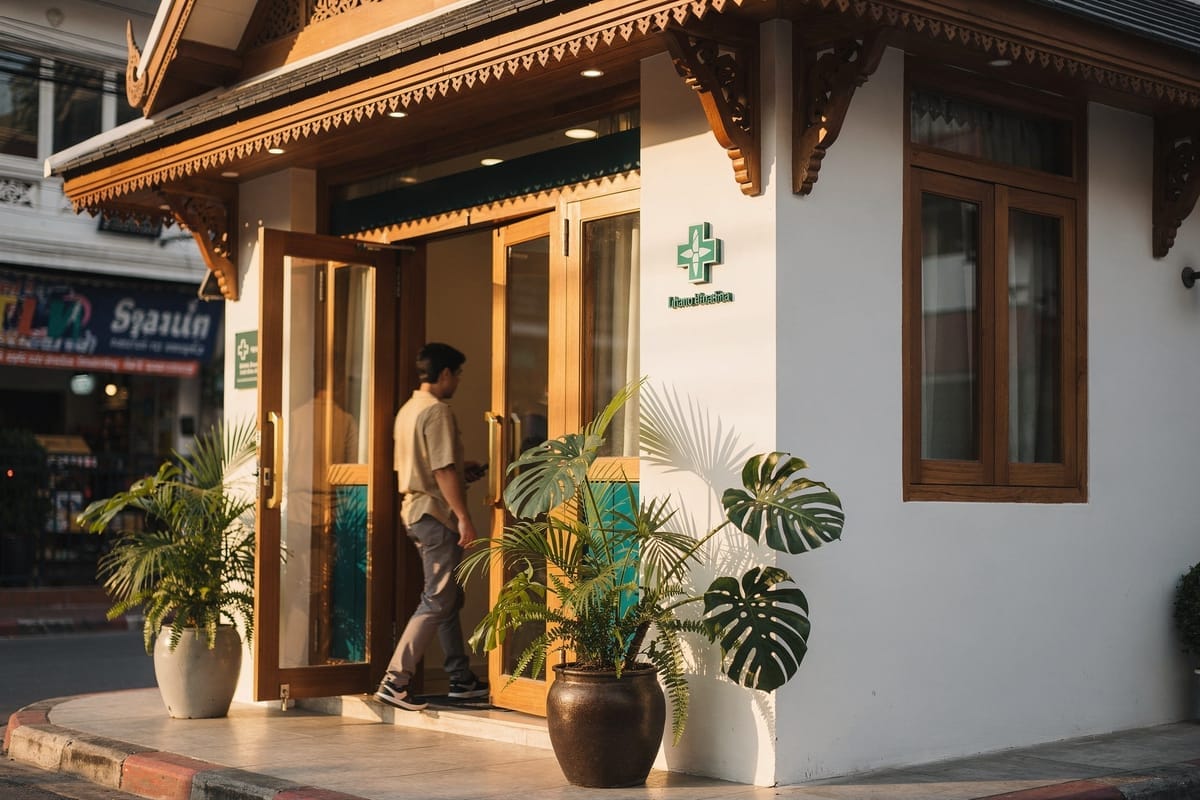
Find the right cannabis clinic in Thailand. Clinic types, costs, red flags, and tips for a quality medical cannabis consultation.
Every fact on this page is cross-referenced against official Thai government publications. We check these sources monthly:
Current regulations, June 2025 announcement, penalties
Licensing, regulations, and opportunities
Step-by-step process, costs, and who can prescribe
Verified medical cannabis clinics across Thailand
Tourist rules, prescriptions with a passport, and what to avoid
Which conditions qualify for a PT 33 prescription
Yes. Medical cannabis has been legal in Thailand since 2018 and remains legal under the June 2025 regulation. However, recreational use is now illegal. Any cannabis product above 0.2% THC requires a PT 33 prescription from one of seven licensed practitioner types. CBD products below 0.2% THC are available without a prescription.
Visit a licensed cannabis clinic, complete a medical evaluation (300–1,500 THB depending on the clinic), and receive a PT 33 prescription if your condition qualifies. Take the PT 33 to a licensed dispensary to purchase your medicine in person. You must be 20 or older. The whole process typically takes a single visit.
The PT 33 (ปท. 33) is Thailand's official prescription form for cannabis products containing more than 0.2% THC. Mandatory since 26 June 2025, it is issued by seven types of licensed practitioners as a paper form specifying strain, dosage, and duration, and is valid for 30 days with a commonly reported possession cap of 30 grams per month. It cannot be refilled.
Yes. Tourists can obtain a PT 33 prescription using their passport at most private cannabis clinics. Consultation fees for tourists typically run 800–1,500 THB. Foreign prescriptions and medical marijuana cards from other countries are not valid in Thailand. You cannot take any cannabis product out of the country.
Consultation fees range from 300 THB at government clinics to 1,500 THB at private clinics. Product prices: CBD/THC oil 800–2,500 THB per 30ml bottle, dried flower 300–800 THB per gram, capsules 500–1,500 THB for 30 count. Prescription renewal costs 350–500 THB every 30 days.
There is no fixed statutory condition list — each professional council issues its own clinical guidelines. Western medicine doctors typically prescribe for a narrow evidence-based set such as treatment-resistant epilepsy, chemotherapy nausea, neuropathic pain, and spasticity. Thai traditional medicine practitioners cover broader symptom categories such as chronic pain, insomnia, appetite loss, nausea, migraines, Parkinson's, and anxiety. All practitioners also have clinical discretion for other conditions.
Each PT 33 prescription is valid for a maximum of 30 days. It is single-use and cannot be refilled. After it expires, you must return to a licensed practitioner for a new evaluation and a new PT 33. Renewal consultations cost 350–500 THB.
No. All online cannabis sales have been prohibited since June 2025. Advertising cannabis on any platform is also illegal. Every purchase must happen in person at a licensed dispensary with a valid PT 33 prescription.
No. Even with a valid PT 33 prescription, cannabis must be consumed in private settings only. Public use is an offense under the Public Health Act and can result in fines. This applies to both smoking and other consumption methods.
On 26 June 2025, cannabis flower was reclassified as a controlled herb. Recreational use became illegal. All purchases now require a PT 33 prescription. Since January 2026, dispensaries must have a certified practitioner on-site. Of 18,433 shops that existed before the law, 7,297 have closed.
Both use the same PT 33 form, but they cover different conditions. Western medicine typically sticks to a narrow set of evidence-based indications. Thai traditional medicine covers broader symptom categories including chronic pain, insomnia, and anxiety. For most patients, seeing a TTM practitioner gives access to a wider range of qualifying conditions.
Possession without a PT 33 is commonly reported to carry a fine up to 25,000 THB and/or up to 3 months in prison (verify with authorities). Selling without a prescription or licence: up to 1 year imprisonment and/or a fine up to 20,000 THB under the Traditional Medicine Act B.E. 2542. Foreign nationals face deportation and permanent entry bans. Taking cannabis out of Thailand is a serious criminal offense.
Yes. CBD products containing less than 0.2% THC are freely sold at pharmacies and retail stores across Thailand without any prescription. Only products that exceed the 0.2% THC threshold require a PT 33 form.
No. It is illegal to take any cannabis product out of Thailand, including CBD oils and topicals. This applies regardless of whether you have a valid prescription. Attempting to export cannabis is a criminal offense that results in prosecution, deportation, and a permanent travel ban.
Licensed cannabis clinics operate in every major city. Bangkok has the most options, followed by Chiang Mai, Phuket, Pattaya, Koh Samui, and Chiang Rai. As of 2026, 11,136 licensed dispensaries remain open. We maintain a verified directory of clinics updated monthly.
This page is for informational and educational purposes only. It is not medical advice and does not replace consultation with a licensed healthcare professional. Always speak with a qualified practitioner before starting or changing any cannabis treatment. Information on this page is current as of July 2026 and verified against official Ministry of Public Health announcements (B.E. 2568). Thai cannabis regulations are subject to change.
Last updated: July 2026. Verified against primary government sources (Ministry of Public Health, DTAM, Thai FDA). Our editorial standards